Bianca Jenkins · 17 October 2026
Resin Research Ripple: Baltic Amber Findings Fueling Cross-Border Scholarship Networks and Tech-Integrated Environmental Clubs
Baltic amber research continues to expand its reach across academic and environmental spheres, with recent findings from resin composition studies driving new forms of international collaboration and technology-focused student initiatives. Data collected from multiple sites along the southern Baltic coast has highlighted variations in succinic acid concentrations that correlate with ancient climate patterns, prompting institutions in several countries to pool resources for ongoing analysis.
Amber Composition Data Spurs Network Formation
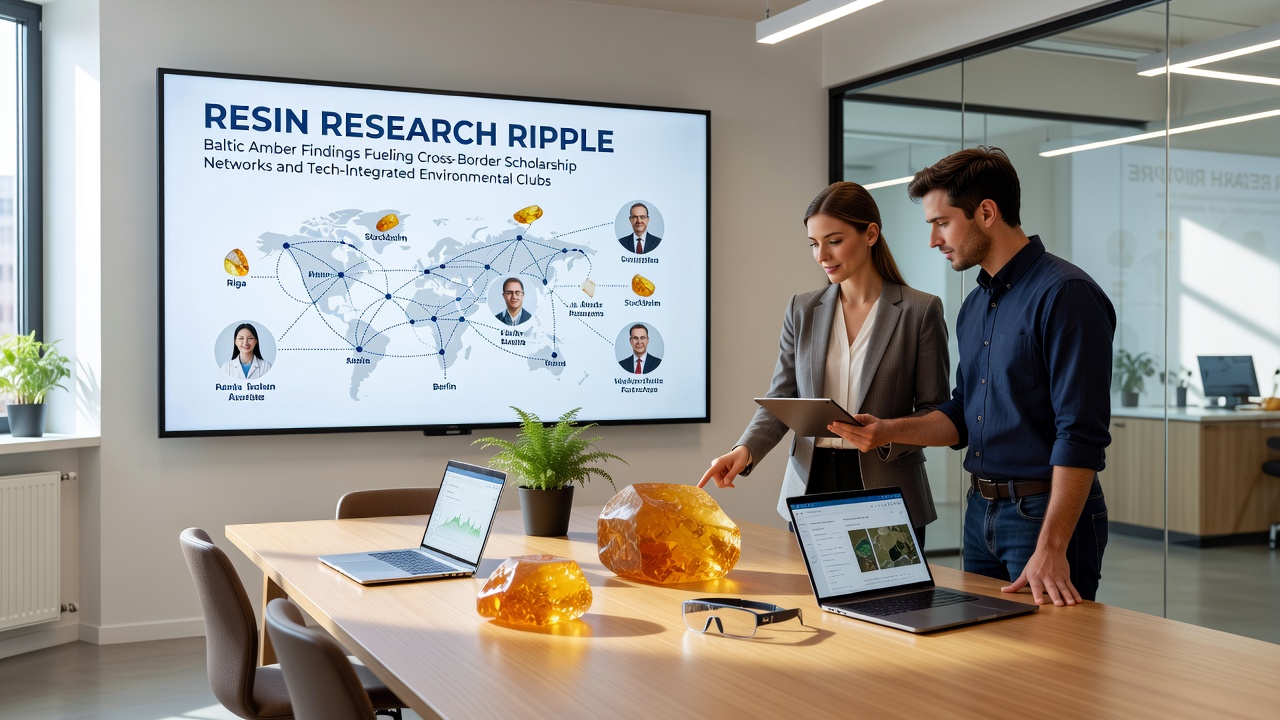
Studies released in early 2025 revealed specific chemical markers in amber samples that align with historical environmental shifts, leading universities in Poland, Germany, and Lithuania to establish formal data-sharing agreements. These agreements facilitate real-time exchange of spectroscopic results and geological mapping, allowing teams to compare findings without duplicating fieldwork efforts. Observers note that the networks formed around these datasets now include participants from additional regions, including Nordic countries that contribute marine sediment records for cross-referencing.
One research group based at a coastal facility documented how certain amber deposits contain preserved organic residues that match modern biodiversity indicators, and this discovery prompted joint expeditions scheduled for late 2026. Participants coordinate through shared digital platforms that track sample provenance and analytical outputs, reducing logistical overlaps while increasing the volume of comparable data points.
Technology Integration in Student Environmental Groups
Environmental clubs at secondary and tertiary institutions have incorporated amber research tools into their activities, using portable spectrometers and open-source modeling software to simulate resin formation processes. These clubs operate in multiple European locations, where members upload field observations to centralized databases that support both educational modules and broader scientific inquiries. Figures from participating programs show increased enrollment in related STEM tracks following the introduction of these hands-on components.
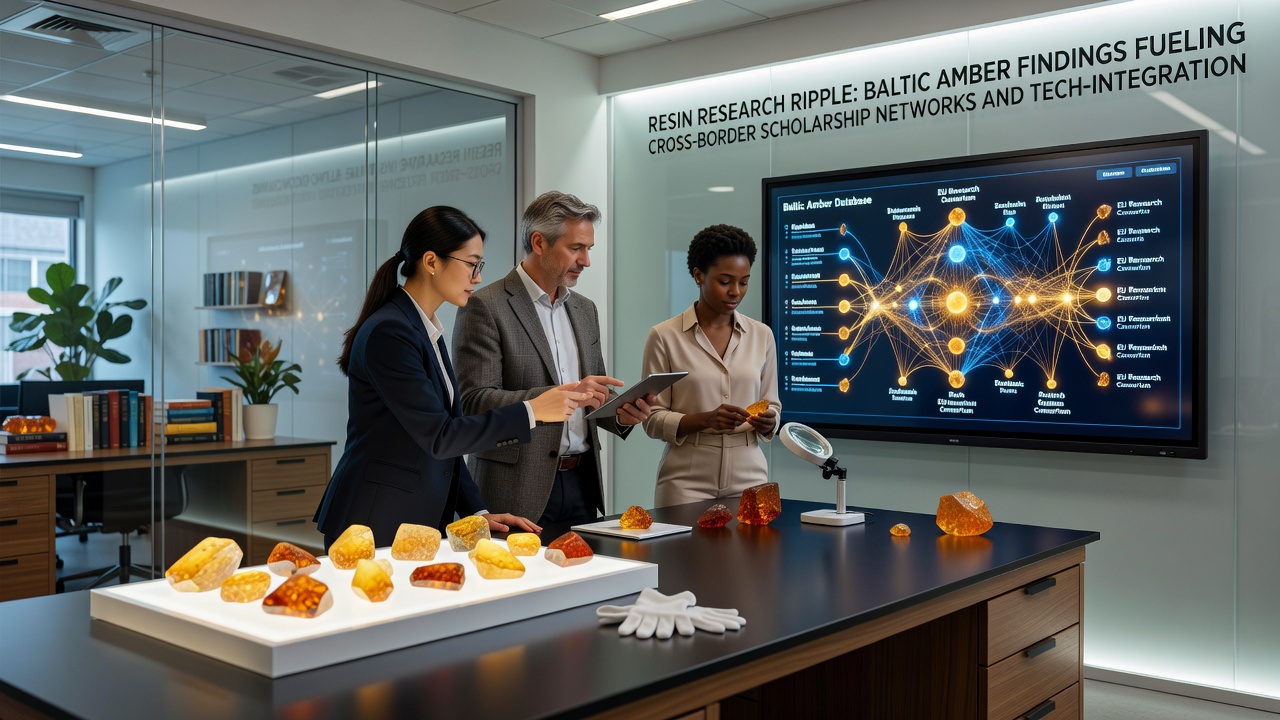
Club activities often combine physical sample collection with virtual simulations that allow remote contributors to test hypotheses about ancient forest ecosystems. In October 2026, several such groups plan synchronized events where participants from different countries will analyze identical amber datasets simultaneously, comparing outputs generated by varied algorithmic approaches. This approach draws on resources from academic repositories that maintain public archives of Baltic geological materials.
Cross-Border Scholarship Mechanisms
Scholarship pathways have emerged directly from the collaborative frameworks, with funding allocated for student exchanges that focus on resin analysis techniques and environmental monitoring protocols. Programs supported by these networks enable participants to move between laboratories equipped for both traditional microscopy and advanced mass spectrometry, fostering skills that transfer across disciplines. Records indicate that exchange cohorts have grown steadily since the initial amber composition reports circulated in 2024.
Institutions involved maintain joint oversight committees that review project proposals submitted by network members, prioritizing those that integrate technological components such as GIS mapping of deposit sites or machine learning applications for pattern recognition in chemical profiles. These committees operate under guidelines established through multilateral agreements that emphasize open access to non-proprietary findings.
Environmental Club Expansion and Digital Tools
Tech-integrated clubs have extended their scope beyond local ecosystems to include comparative studies with amber analogs from other geological formations, facilitated by partnerships with research bodies outside Europe. Club leaders coordinate virtual workshops that demonstrate data visualization methods, drawing on datasets hosted by international environmental monitoring agencies. Participation metrics reflect steady growth in regions where curriculum updates have incorporated these resources.
One documented case involves a network of clubs that developed a shared application for logging resin sample metadata, which now feeds into larger academic repositories used by multiple universities. This tool supports both club-level experiments and professional research queries, illustrating how student initiatives can scale to contribute measurable inputs to ongoing studies.
Conclusion
Baltic amber findings continue to connect scholarship networks with technology-driven environmental programs, creating pathways for sustained data exchange and collaborative projects. As activities planned for October 2026 demonstrate, these connections rely on integrated digital systems that support both educational and research objectives across borders. The patterns observed in current participation and resource allocation indicate further development of these structures in coming years.