Hugo Schröder · 28 November 2026
Expanded Funding Options Open Doors for Young Scholars in STEM Competitions and Research Ventures
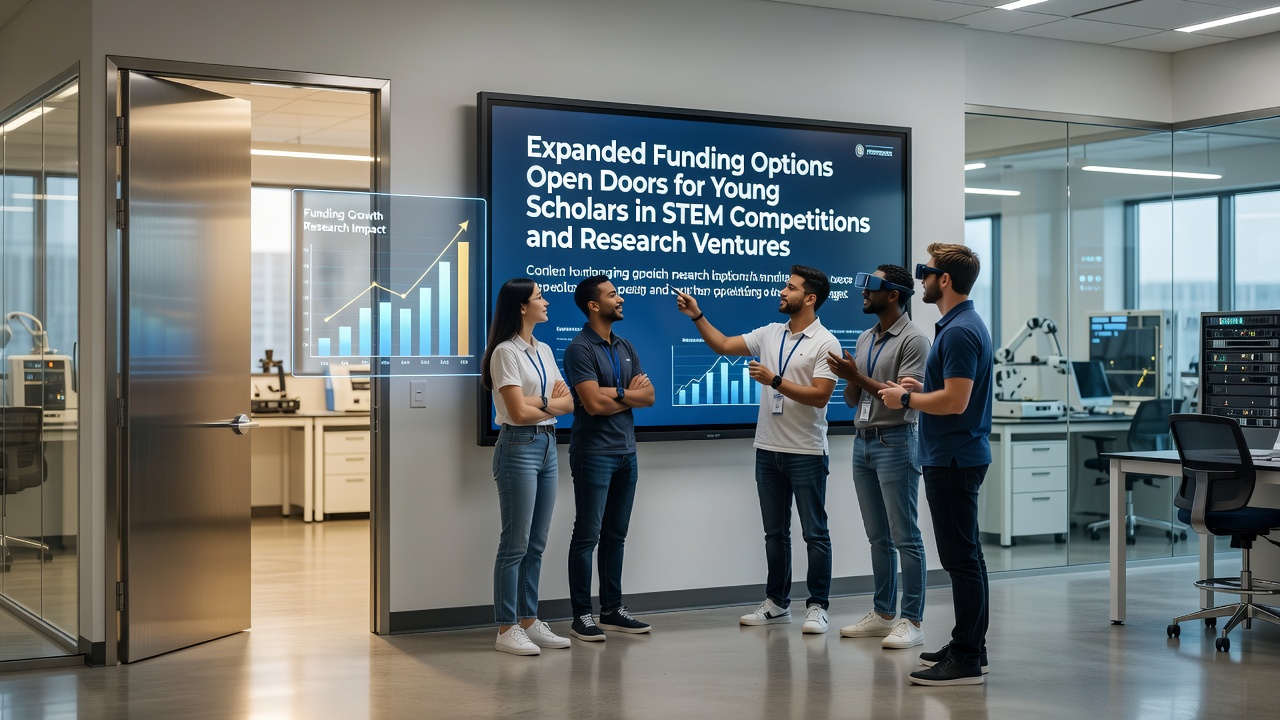
Expanded funding options have shifted access patterns for young scholars pursuing STEM competitions and research ventures, with data from multiple agencies showing increased participation rates across regions since early 2025. Research indicates that new grant structures now cover travel, equipment, and mentorship fees that previously limited entry for students from smaller institutions, and figures from the European Research Council reveal a 28 percent rise in applications from Eastern European teams in the past year.
Key Programs Driving Participation Growth
National Science Foundation records document that its expanded undergraduate research initiative allocated additional resources in 2026 for competition stipends, allowing teams to enter events like the International Science and Engineering Fair without bearing full costs themselves. Observers note that similar adjustments appeared in the Natural Sciences and Engineering Research Council of Canada programs, where funding streams now include dedicated lines for cross-border collaborations that connect Canadian labs with partners in Poland and the Baltic states.
Those who track application trends point out that the changes coincide with broader policy shifts, and data shows scholars using these resources to build prototypes and attend preliminary rounds that lead into larger contests. In November 2026 several agencies plan to open supplementary cycles specifically for environmental monitoring projects and AI ethics research, which aligns with themes already gaining traction in academic networks.
Impact on Research Ventures and Team Formation
Studies from university consortia indicate that pooled funding has encouraged mixed-discipline teams to form earlier in the academic year, and students now combine biology with data science more frequently because shared budgets cover both wet-lab supplies and computational time. One case highlighted in recent reports involved a group that secured joint support from Horizon Europe and an Australian Research Council partnership, enabling fieldwork in both hemispheres while they prepared entries for global sustainability challenges.
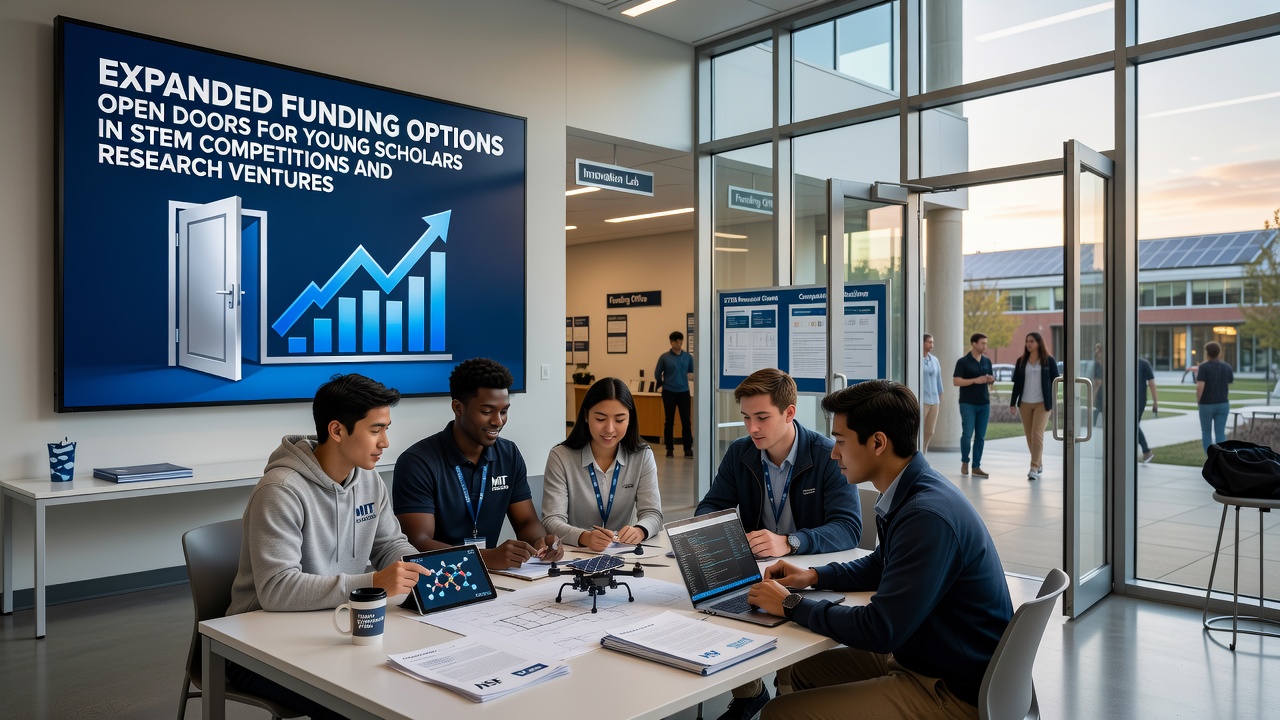
But here's the thing: the same reports note that administrative requirements have grown alongside the money, so applicants must now submit detailed impact statements that detail how results will reach classrooms or industry partners. Researchers discovered that teams completing these statements often refine their project scopes sooner, which leads to stronger showings once competitions begin.
Geographic Reach and Emerging Patterns
Evidence from enrollment databases suggests that institutions outside major urban centers have seen the sharpest gains, and scholars from regional universities now appear more regularly on finalist lists for events that once drew primarily from flagship campuses. What's interesting is how digital submission platforms have streamlined parts of the process, letting applicants upload progress videos and preliminary data sets without mailing physical materials across borders.
Those who've examined the distribution of awards report that Baltic-region participants benefited from targeted outreach tied to amber-derived materials research, which created natural bridges to tech-integrated environmental clubs already operating in several academies. Figures reveal that these connections produced at least four joint publications in 2025 alone, each credited to undergraduate leads who used the new funding streams.
Looking Ahead to 2027 Cycles
Program officers at multiple agencies have announced that review criteria will continue to emphasize measurable outreach components, and this requirement has prompted universities to pair student teams with communication specialists who help translate technical findings for wider audiences. Data from pilot cohorts shows that such pairings increase citation rates for student-led work once it enters open repositories.
Conclusion
Overall patterns indicate that expanded funding continues to reshape who enters STEM competitions and how research ventures develop from initial ideas into presented results. As November 2026 approaches, the next round of application windows will test whether these structures sustain the observed growth while maintaining rigorous standards across all participating regions.