Devon Müller · 14 November 2026
Baltic Amber Insights Drive Interactive Educational Platforms Connecting Eastern European Classrooms with Global Environmental Initiatives
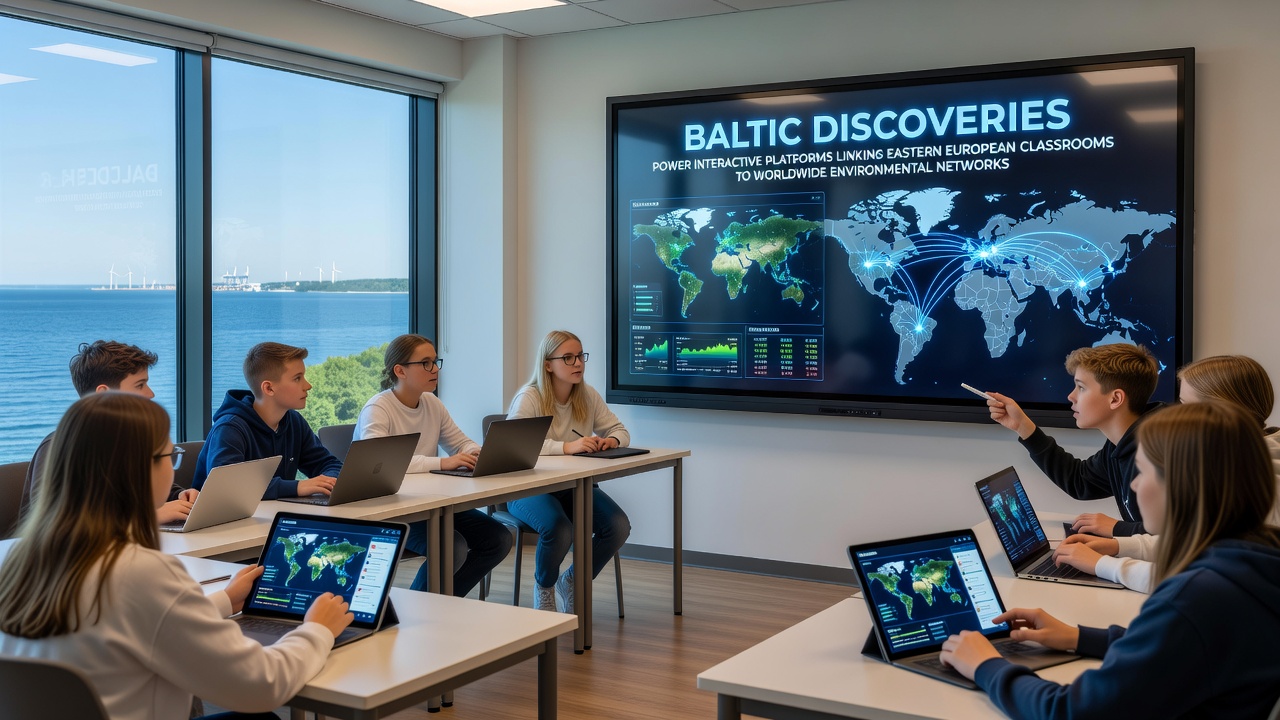
Baltic discoveries have fueled the development of interactive platforms that now link Eastern European classrooms directly to worldwide environmental networks, and these tools emerged from research on amber deposits along with associated ecological data from the region. Programs operating through amberclass.edu.pl integrate findings from resin studies into digital modules that allow students in Poland and neighboring countries to collaborate with peers across continents on topics ranging from climate patterns to biodiversity preservation. Data from these platforms show increased participation rates since initial rollouts, with connections extending to networks managed by international bodies focused on sustainability.
Platform Architecture and Core Features
Interactive platforms rely on real-time data feeds drawn from Baltic research stations, and these systems enable users to model environmental scenarios while exchanging observations with partner institutions in North America and Asia. Students access layered interfaces that combine historical amber records with current sensor readings on sea levels and forest health, which creates pathways for cross-border projects without requiring physical travel. Observers note that the architecture incorporates open-source components, allowing schools with limited resources to join the network through standard internet connections.
Modules within the platforms cover specific themes such as marine ecosystem shifts and terrestrial carbon cycles, while built-in analytics track engagement metrics across user groups. Research indicates that participants complete joint assignments at higher rates when data visualizations draw from Baltic case studies compared to generic templates. Teachers receive training materials that emphasize integration of local findings with global datasets, and this approach supports curriculum alignment in multiple countries simultaneously.
Expansion Milestones Through 2026
By November 2026, platform developers plan to introduce enhanced mapping tools that overlay Baltic amber-derived timelines onto satellite imagery from worldwide monitoring stations, and this update follows earlier expansions that added language support for additional Eastern European regions. Figures from prior phases reveal steady growth in connected classrooms, rising from initial pilot groups to several hundred institutions across the Baltic states and beyond. Partnerships with academic networks have supplied supplementary datasets, which strengthen the accuracy of environmental simulations available to users.
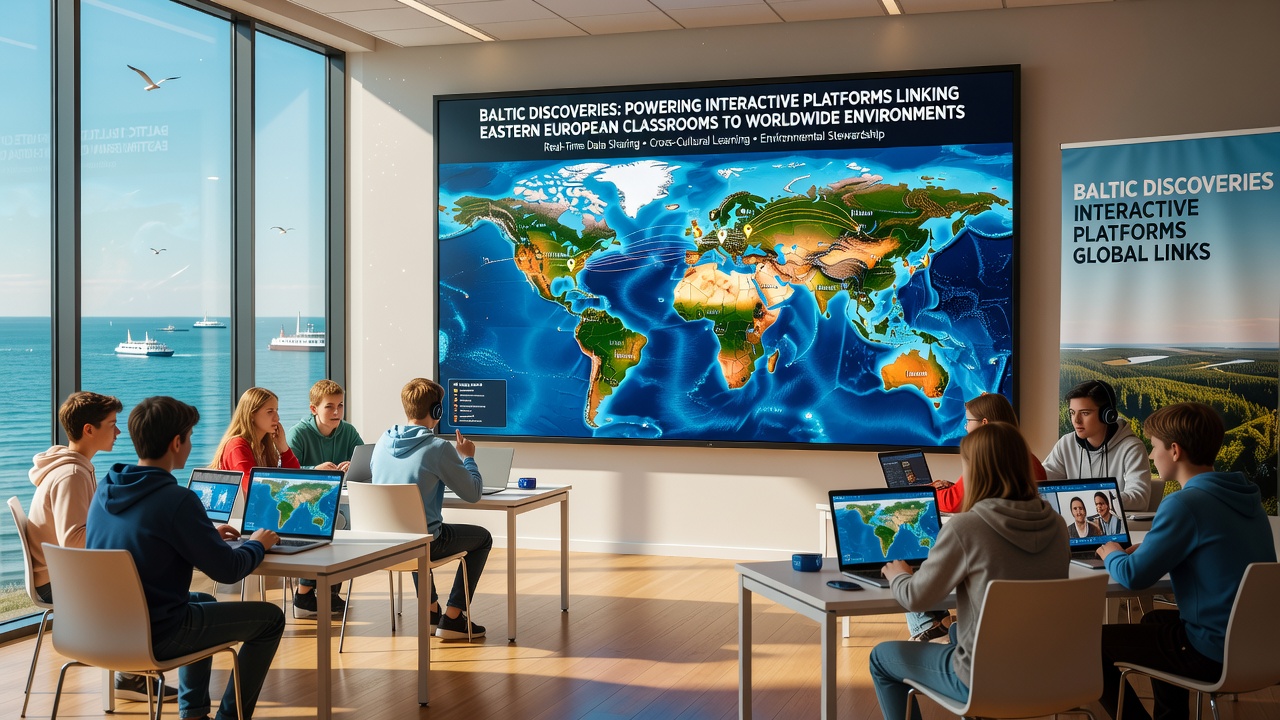
Network administrators coordinate with organizations that maintain environmental databases, including those operated by the European Environment Agency, to ensure compatibility between local inputs and broader reporting standards. Additional linkages extend to research repositories maintained by institutions in Canada, where studies on northern forest resilience provide comparative benchmarks for Baltic findings. These connections allow students to contribute original observations that feed into larger datasets used by policy researchers.
Integration with Academic and Environmental Networks
Baltic discoveries continue to inform content updates, and platform designers incorporate new resin analysis results as they become available from field teams. This ongoing input supports activities where classrooms simulate restoration projects based on historical environmental conditions preserved in amber samples. Data shows that such exercises correlate with improved understanding of long-term ecological trends among participants.
Worldwide environmental networks benefit from the influx of localized data generated through these classroom interactions, which adds granularity to models that previously relied on sparse regional sampling. Experts have observed that Eastern European contributions fill gaps in datasets covering transitional climate zones between continental and maritime influences. Collaborative features within the platforms facilitate peer review processes similar to those used in professional research circles, which prepares students for advanced work in related fields.
Technical and Logistical Considerations
Platform maintenance involves regular security audits along with updates to data protocols that align with standards from multiple regulatory frameworks across Europe and North America. Schools report that bandwidth requirements remain manageable even during peak collaborative sessions, thanks to optimized compression methods developed specifically for educational use. Training sessions conducted remotely help educators adapt lesson plans around the available tools without disrupting existing schedules.
Case examples from participating institutions demonstrate how Baltic-sourced modules integrate with standard science curricula, and these integrations produce measurable outputs such as student-led reports shared with partner groups abroad. Resource centers associated with the platforms distribute supplementary materials that cover both technical operation and content interpretation, which ensures consistent application across diverse classroom settings.
Conclusion
Baltic discoveries continue to underpin the growth of interactive platforms that connect Eastern European classrooms to global environmental networks, and the resulting exchanges generate data flows that benefit researchers and educators alike. As updates scheduled for November 2026 take effect, the systems stand to expand their reach while maintaining focus on accurate representation of regional findings within international contexts. Observers track participation metrics and content evolution to assess long-term impacts on educational outcomes and environmental awareness.