Devon Müller · 2 September 2026
Amberclass Educational Insights has introduced a revised high school curriculum that will be implemented starting in the 2025 academic year. This update comes after extensive consultations with educators, parents, and industry experts to ensure relevance in today's rapidly changing world. The curriculum seeks to balance core academic subjects with skills necessary for future success.
Key Revisions to Subject Areas
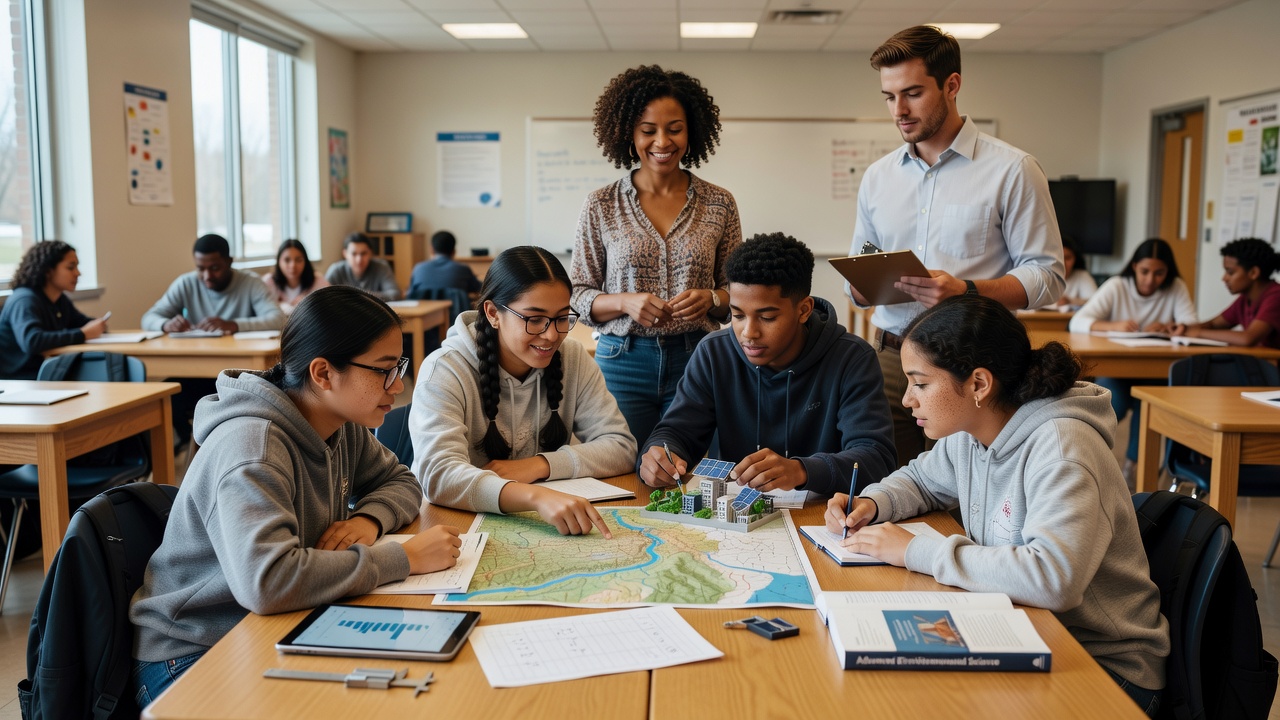
Mathematics and science courses have been enhanced with real-world applications, including data analysis and climate modeling. Literature classes now feature a broader range of authors representing various cultures. New elective courses in coding, entrepreneurship, and media studies have been added to the roster. These additions aim to cater to diverse student interests and career aspirations. Assessment methods are shifting towards continuous evaluation through portfolios and collaborative projects. This approach reduces test anxiety while promoting teamwork and creativity. Support systems for students with special needs have been strengthened with personalized learning plans. Students will benefit from increased opportunities for internships and community service integrated into the curriculum. These experiential learning components are designed to build practical experience and social responsibility. The institution has partnered with local businesses to provide these opportunities.
Benefits and Future Preparations
The revised curriculum is expected to improve student outcomes by fostering adaptability and innovation. Research indicates that such integrated learning experiences lead to higher retention rates of knowledge. Amberclass is also investing in digital tools to facilitate remote and hybrid learning options as part of the update. Training workshops for teachers will cover the new content and pedagogical strategies. Collaboration with universities will provide pathways for advanced placement credits. Overall, the changes position Amberclass students competitively in higher education and the job market. Technology integration is a cornerstone of the new plan, with all students receiving access to advanced software and hardware resources. Cybersecurity education has been made mandatory to prepare for digital age challenges. Evaluation of the curriculum's effectiveness will be conducted annually through standardized metrics and surveys. Adjustments will be made based on data to maintain high educational standards.