Parker Schmitz · 3 October 2026
Amberclass Alumni Networks Deploy Digital Platforms to Drive Global Sustainability Efforts
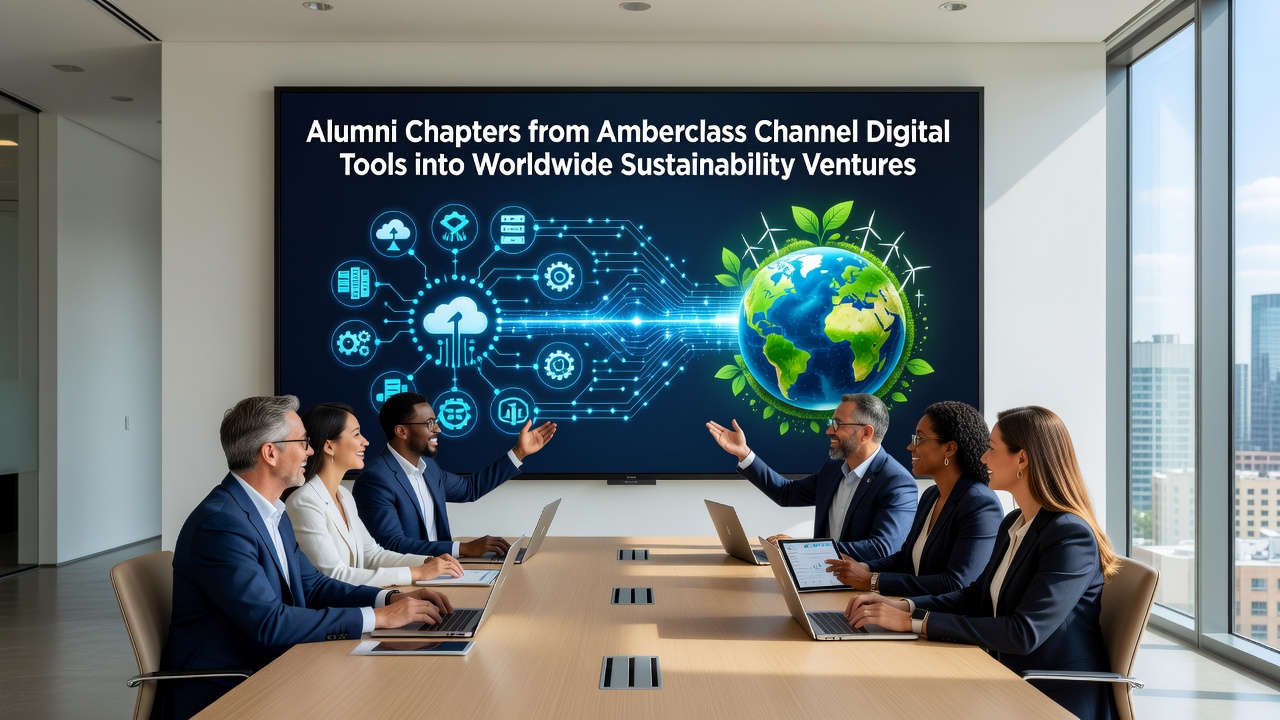
Amberclass alumni chapters have integrated digital tools into operations that support sustainability ventures across multiple continents, and data from the organization's tracking systems shows steady growth in project participation since the early 2020s. These chapters operate as regional hubs where graduates connect through online portals, shared databases, and collaborative software that streamline everything from resource allocation to impact measurement. Observers note that the approach allows alumni to coordinate across borders without requiring physical infrastructure in every location.
Digital Infrastructure Supporting Chapter Activities
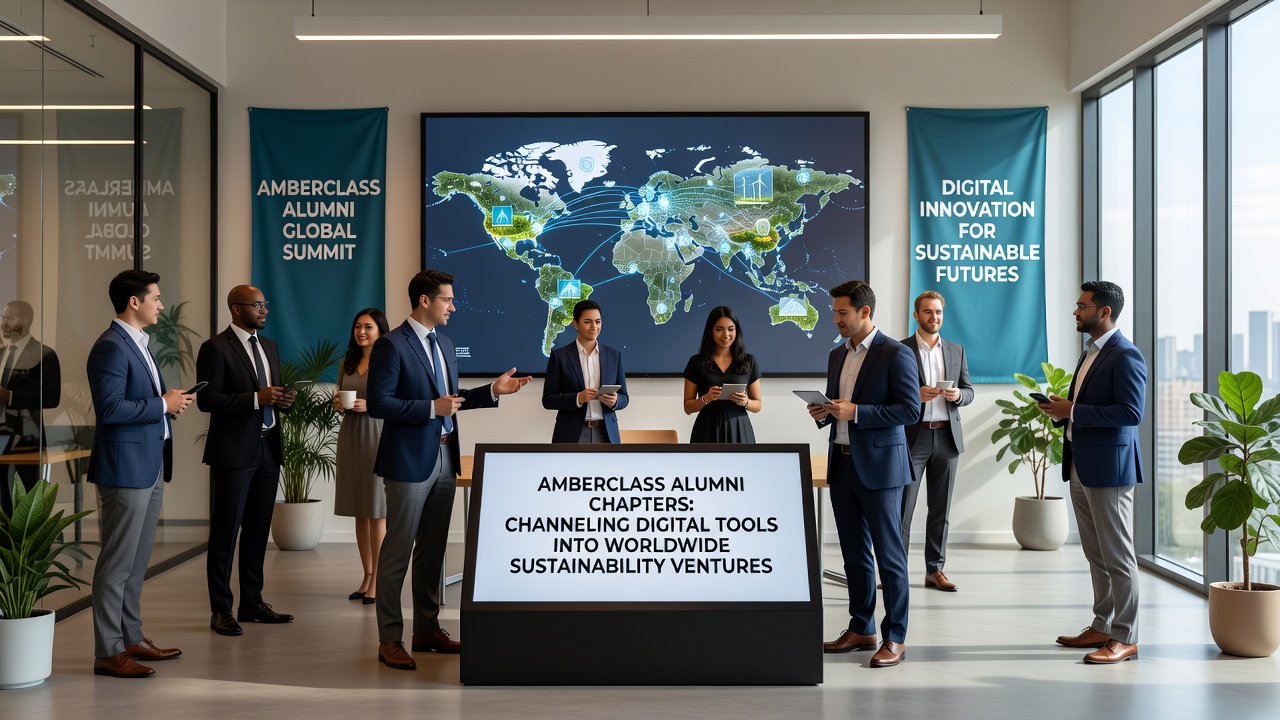
Chapter leaders rely on centralized platforms developed by Amberclass to manage initiatives, and these systems include mapping features that identify areas where sustainability projects can align with local needs. Participants upload progress reports through mobile interfaces while algorithms suggest partnerships based on overlapping goals such as renewable energy deployment or waste reduction programs. In October 2026, records indicated that over 120 active chapters had logged contributions to at least one cross-border venture during the preceding twelve months.
Those who manage the platforms report that integration with external data sources helps chapters track metrics like carbon offsets or community training hours. The tools also facilitate virtual workshops where alumni share technical expertise on topics ranging from circular economy models to biodiversity monitoring techniques. Such exchanges occur regularly through scheduled webinars and asynchronous discussion boards that remain accessible year-round.
Global Ventures Launched Through Chapter Networks
One documented project involves alumni from European and Asian chapters collaborating on reforestation efforts in Southeast Asia, where digital dashboards monitor seedling survival rates and coordinate supply chains for native species. Another initiative links North American and African chapters in solar energy distribution programs that use real-time analytics to optimize panel placement in off-grid communities. Researchers at participating institutions have compiled case summaries showing measurable increases in local energy access following these deployments.
Funding for these ventures often flows through pooled micro-grants administered via the same digital systems, and transparent ledgers allow contributors to follow how resources move from chapter treasuries to field operations. Data compiled by independent academic groups indicates that projects involving multiple chapters tend to achieve higher completion rates than those managed by single locations. The pattern holds across urban and rural settings alike.
Partnerships and Data Sharing Practices
Amberclass chapters maintain connections with organizations such as the OECD education directorate to align their digital training modules with broader policy frameworks on sustainable development. Similar ties exist with regional research centers that supply validated datasets for project planning. These partnerships supply chapters with standardized indicators that simplify reporting while preserving flexibility for local adaptation.
Privacy controls built into the platforms ensure that sensitive location data and participant details remain restricted to authorized users. Chapter administrators conduct periodic audits to verify compliance with data handling standards established by international bodies. The result is a network that scales efficiently while addressing regulatory expectations in different jurisdictions.
Future Expansion and Measurement Trends
Records from the Amberclass central office project continued growth in chapter numbers through 2027, with emphasis on regions where digital connectivity has improved recently. New features under development include enhanced AI-assisted matching between chapter resources and emerging sustainability challenges identified through global databases. Analysts tracking these developments point to the consistent use of open-source components in the tools as one factor supporting wider adoption among smaller alumni groups.
Conclusion
Amberclass alumni chapters demonstrate how structured digital systems can channel graduate networks into coordinated sustainability work at a worldwide scale. The combination of shared platforms, transparent metrics, and cross-regional partnerships produces documented project outcomes that continue to accumulate in organizational databases. As connectivity expands, these models offer templates for similar alumni-driven efforts in other sectors.